
Sydney’s property market is falling. Median dwelling values sit at $1,198,596 as at September 2026, down 4.7% over the quarter, with houses down 5.4% and units down 2.9%.
The cause is the cash rate, which rose to 4.35% in August 2026. This page sets out where prices actually are, what is driving them, and what it changes for buyers, sellers and investors.
Current state of Sydney’s property market
August 2026 Cotality figures for Greater Sydney, with the change over the quarter:
- All dwellings — $1,198,596, down 4.7%
- Houses — $1,466,060, down 5.4%
- Units — $867,597, down 2.9%
- Gross rental yield — 3.3% citywide, 4.4% on units
Nationally the Home Value Index fell 0.9% in August 2026, the largest monthly fall since December 2022. Sydney has fallen further than Melbourne or Brisbane, which is what usually happens to the dearest market in the country when credit tightens.
Why it is falling
The cash rate is 4.35%, effective 12 August 2026. Every rise cuts what buyers can borrow on the same income, and the prices bid at auction fall with it. Sydney feels this most because more of a Sydney purchase is borrowed than anywhere else. The next Reserve Bank decision is 29 September 2026 — our Rate Prediction Index tracks the futures market against named economists.
The selling data shows the same thing. National auction clearance rates ran near 66% in February and finished July in the low 40s. Homes take a median 35 days to sell, and vendors are discounting 3.8% off asking. Capital city sales volumes are down 3.5% on the year while regional sales rose 4.2%.
What has not changed
- Sydney keeps adding people faster than it adds homes.
- Completions remain well short of demand, and a downturn makes that worse as projects get shelved. Higher build costs are part of the reason.
- Rents are still rising — 5.7% annually to August 2026 — so the cost of waiting has gone up while prices came down.
As at 27 September 2026, the OurTop10 Rate Prediction Index puts the chance of a rate rise at 85.1%, and 8 of the 10 economists on its panel expect a rise. The cash rate is 4.35%. Rate moves feed straight into borrowing power and prices. See the full index.
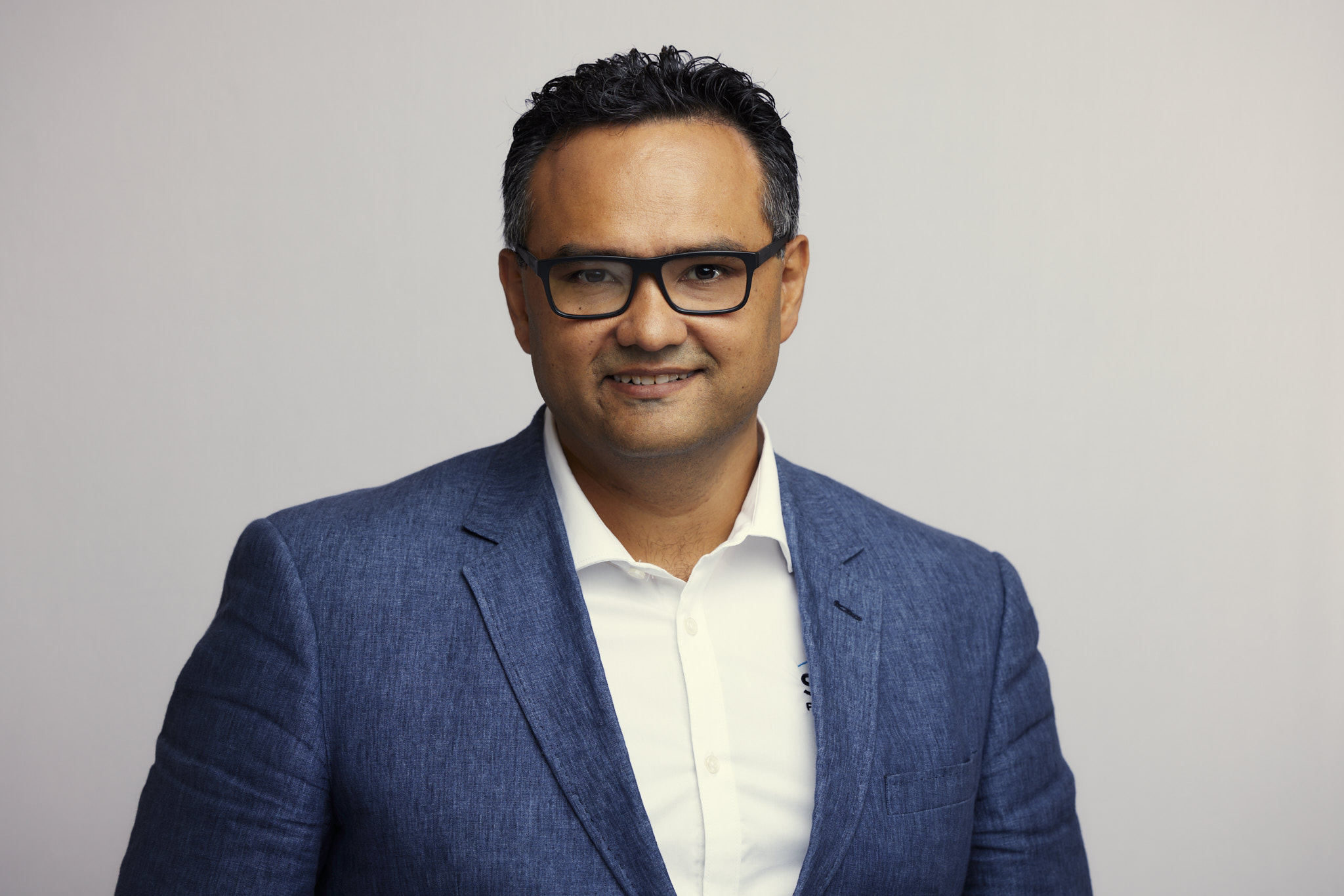
“Sydney has come back about 4% over the quarter and it is the cash rate doing it, not anything wrong with Sydney. More of the purchase price is borrowed here than anywhere else in the country, so Sydney always moves hardest in both directions. The buyers in the best position now are the ones who worked out what they could carry at a higher rate before they started looking.”
Sydney prices by price band
Where a suburb sits on price has predicted its fall better than where it sits on a map. Expensive stock depends most on borrowing power, so it moved first and furthest.
The premium end
Inner and harbourside Sydney has given back the most in dollar terms. Buyers here are less rate-constrained, but the pool is small and thins quickly when credit tightens.
The middle ring
The established middle ring tracks closest to the citywide average. These are family-house markets, and family houses are where the falls have concentrated.
The outer ring and entry level
Outer Sydney is the most rate-sensitive part of the city, because buyers there are usually borrowing close to their limit. A rate rise bites here first, though improving infrastructure supports these corridors over a long hold.
What it means for buyers
You are buying into a buyer’s market for the first time in years, and the main thing you have gained is time.
- Confirm your borrowing capacity first. It has moved since 2025, and a rate rise takes more off it than a price fall gives back. Read up on borrowing power.
- Negotiate. Vendors are discounting 3.8% and homes sit for over a month.
- Look at units. Cheaper entry, better yield at 4.3%, and they fell half as much as houses.
- Stress-test the repayment against a higher rate than today’s.
- Keep pre-approval current so you can act when the right place appears.
First home buyers
Check what you qualify for: the First Home Owner Grant, stamp duty concessions, and the Family Home Guarantee if it applies to you. A smaller deposit is possible but usually means paying Lenders Mortgage Insurance on top.
What it means for investors
With capital growth negative, the rent is doing the work. Sydney units pay 4.3% against a citywide 3.3%, which is the clearest signal in the numbers.
- Keep a real buffer. The shortfall has to stay affordable while the asset is also losing value.
- Quality falls less and recovers first. A big discount on a poorly located property is rarely a bargain.
- Our guide to rental yield covers how to compare properties on income rather than hope.
What it means for sellers
The data is plain: clearance rates in the low 40s, 35 days on market, 3.8% off asking. Sellers who do not have to move are staying put, and that withdrawal of stock is the main thing stopping falls from being larger. If you do have to sell, price to the market you are in rather than the one you bought in.
How Sydney compares
- Sydney — $1,198,596, down 4.7%, yield 3.3%
- Brisbane — $1,048,880, down 2.7%, yield 3.4%
- Melbourne — $780,550, down 3.9%, yield 4.0%
Sydney is the dearest and has fallen furthest. Brisbane has held up best of the three. Melbourne is the cheapest and pays the best rent relative to price.
Where it goes from here
The next twelve months depend on the Reserve Bank. Over a fifteen-year hold this cycle is noise; over three years it is not, and that difference should shape your decision more than any forecast.

“As borrowing capacity improves, savvy first home buyers and investors are re-entering the market, positioning themselves before the next wave of price acceleration forecasted into 2026. From a financing perspective, now is a pivotal moment to secure pre-approval and assess lending strategies while rates are still adjusting and competition remains manageable.”
James Haywood, Approved Property Finance
Frequently Asked Questions
Is the Sydney property market going up or down?
Down. Median dwelling values fell 4.0% over the quarter to August 2026, with houses down 5.4% and units down 2.9%.
What is the median property price in Sydney?
$1,198,596 for all dwellings as at September 2026. Houses are $1,466,060 and units are $867,597.
Why are Sydney prices falling?
The cash rate rose to 4.35% in August 2026. Higher rates mean buyers can borrow less on the same income, so auction prices come down. Sydney moves hardest because more of the purchase is borrowed here than anywhere else.
Is it a good time to buy in Sydney?
That turns on your own numbers rather than the market’s — what you can borrow at 4.35%, what you could carry if rates rose again, and how long you would hold. Those are answerable; where the market goes next is not.
Are Sydney units a better buy than houses right now?
They have fallen less, at 2.5% against 4.6%, and they pay a better yield at 4.3% against a citywide 3.3%. That makes them the more defensive of the two in this part of the cycle.
Will Sydney prices recover?
Sydney has recovered from every previous downturn, helped by population growth and a persistent housing shortfall. The timing depends on interest rates, and nobody knows that in advance.

Mansour Soltani
Head of Research, OurTop10

With over two decades of experience in Australia’s real estate sector, Mansour has built a career specialising in the acquisition and sale of investment and commercial properties, spanning major metropolitan hubs and regional areas. As the founder and owner of a finance brokerage firm, he manages a loan portfolio exceeding $200 million while serving a broad range of clients nationwide.
A frequent contributor to money.com.au, Mansour has developed a deep understanding of diverse investment strategies, enabling him to provide valuable, well-informed perspectives on market trends and opportunities.