
 Last reviewed October 2026 by Megan Birot, Content Editor, OurTop10. Figures checked against the sources named in the article.
What changed (30 September 2026): new guide, using Canstar’s March 2026 landlord insurance premiums for every state, the ATO’s current rules on claiming premiums and payouts, and the NSW pet rules that started on 19 May 2025.
Key points
- Landlord building and contents cover for a house averages $2,640 a year nationally. For a unit it averages $432, because strata already insures the building.
- North Queensland houses are the most expensive to insure at $4,482 a year, followed by the Northern Territory at $4,157.
- Premiums are tax deductible in the year you pay them. On an average NSW house policy of $2,532, a landlord on the 37% tax rate (plus the 2% Medicare levy) gets back about $987.
- Any payout for lost rent is taxable income, and the ATO collects landlord insurance data, including claim payouts, to check it.
Jump to: Cost by state · What it costs in dollars · What it covers · Units vs houses · Landlord vs home insurance · Tax · Choosing a policy · What to do next · FAQs · Sources
Part of our guide to buying an investment property in Australia, which covers costs, yield, lending and tax.
Landlord insurance costs about $2,640 a year for a house and $432 for a unit on average in Australia, based on Canstar’s March 2026 figures with a $1,000 excess. Where you are matters more than almost anything else: a house in North Queensland costs more than twice as much to insure as one in Tasmania.
The gap between houses and units is not a discount. A unit owner is only buying contents, liability and tenant cover, because the owners corporation insures the building through the strata levy.

Landlord insurance cost by state
A landlord building and contents policy for a house costs between $1,998 a year in Tasmania and $4,482 in North Queensland. Unit policies sit between $358 and $679. Cyclone and flood risk is what pushes North Queensland and the Northern Territory so far above everywhere else.
| State or territory | House (a year) | Unit (a year) |
|---|---|---|
| NSW | $2,532 | $445 |
| Victoria | $2,248 | $363 |
| Queensland (excluding the north) | $2,529 | $396 |
| North Queensland | $4,482 | $679 |
| Western Australia | $2,181 | $395 |
| South Australia | $2,108 | $358 |
| Tasmania | $1,998 | $395 |
| Northern Territory | $4,157 | $520 |
| National average | $2,640 | $432 |
Source: Canstar, average annual landlord building and contents premiums with a $1,000 excess, data as at 17 March 2026. The ACT was not included in Canstar’s table.
These are averages across insurers, so your quote can land well above or below them. The age of the building, its construction, the suburb’s flood and bushfire rating, how much rent you insure and the excess you choose all move the price.
What landlord insurance costs in dollars
For a NSW investor, the average policy works out to about $49 a week for a house and under $9 a week for a unit, before tax. Because the premium is deductible, the real cost is lower again.
| NSW example | House | Unit |
|---|---|---|
| Average premium a year | $2,532 | $445 |
| Per week | $48.69 | $8.56 |
| Tax back at 39% | $987 | $174 |
| Cost after tax a year | $1,545 | $271 |
Assumptions: Canstar’s March 2026 NSW averages with a $1,000 excess; landlord on the 37% marginal rate plus the 2% Medicare levy (39%); the property is rented all year, so the full premium is deductible.
Put it against the risk it covers. One tenant who stops paying for ten weeks on a $750-a-week house costs you $7,500 in rent before you add any repairs. That is close to five years of premiums on the house, after tax.
What landlord insurance covers
Landlord insurance covers damage to the building and your contents, your legal liability as the owner, and the tenant risks a normal home policy leaves out, such as lost rent and damage caused by tenants. Most policies come in three versions: building only, contents only, or building and contents together.
- Building: the structure and fixtures, for events like fire, storm, flood (if included) and burst pipes.
- Contents: things you own at the property, such as carpets, blinds, curtains and appliances.
- Legal liability: if someone is injured at the property and you are held responsible.
- Loss of rent: rent you lose while the property cannot be lived in after an insured event.
- Rent default: rent a tenant fails to pay, usually capped at a set number of weeks.
- Tenant damage: malicious or intentional damage by the tenant or their guests. Accidental damage is often a separate or optional cover.
- Pet damage: included in some policies and excluded in others. Check this one carefully.
Pet damage matters more in NSW since 19 May 2025. Landlords there can now refuse a tenant’s pet only on grounds listed in the law, such as the property being unsuitable or the pet being highly likely to cause more damage than the bond. They cannot ask for a pet bond or higher rent in exchange. If you rent in NSW, assume a pet may arrive during a tenancy and check whether your policy pays for pet damage.

Landlord insurance for units vs houses
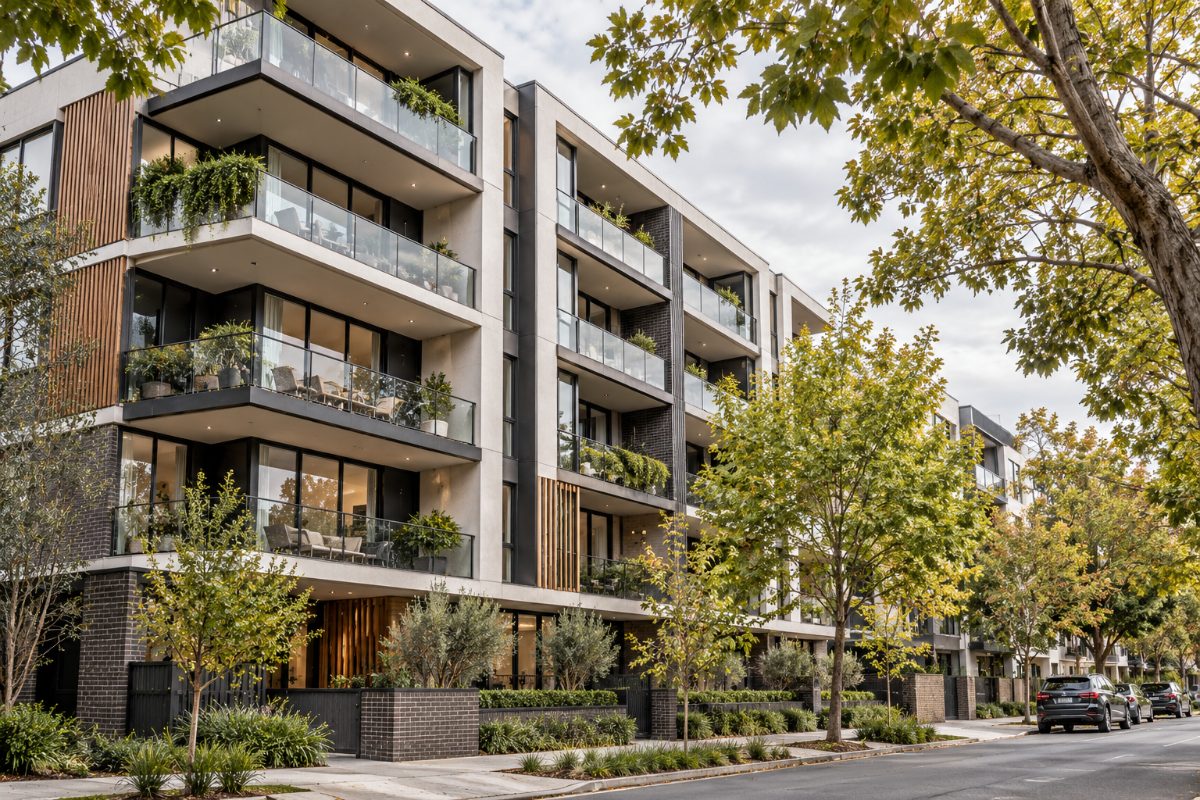
If you own a unit or apartment, you normally need landlord contents cover only, not building cover. The owners corporation insures the building and common property, and you pay your share of that through strata levies. That is why unit policies average $432 a year against $2,640 for a house.
A unit landlord policy still earns its keep. It covers the carpets, blinds and appliances you own inside the unit, your liability, and the tenant risks strata insurance never touches: lost rent, rent default and tenant damage. Check the strata certificate so you know where the building policy stops.
Landlord insurance vs home insurance
Home insurance is written for a property you live in. Once tenants move in, most home policies either stop covering the property or leave out the risks that matter to a landlord, so tell your insurer before the lease starts. Landlord insurance adds the rental risks: tenant damage, rent default and lost rent.
Landlord insurance is not compulsory in Australia. Your lender will almost always require building insurance on a house it lends against, though, and going without cover means one bad tenancy or storm can wipe out years of rental income.
Is landlord insurance tax deductible?
Yes. The ATO lists building, contents, public liability and loss of rent insurance as rental expenses you can claim straight away, in the year you pay them, while the property is rented or genuinely available for rent. If you live in the property for part of the year, you can only claim the rental share.
The other side is income. Any insurance payout for lost rent, or for damage from a storm or another insured event, has to go in your tax return as rental income. The ATO runs a landlord insurance data-matching program covering 2021-22 to 2025-26, which collects details of premiums paid and claim payouts, so leaving a payout off your return is likely to be noticed. Our investment property tax guide covers the rest of what you can claim.
How to choose a landlord insurance policy

Choose on the cover limits first and the price second. Two policies that look the same on a comparison site can pay very different amounts after a bad tenancy.
- Match the cover to the property: building and contents for a house, contents only for a unit.
- Check the rent default limit, in weeks and in dollars.
- Check whether tenant damage covers accidental damage, or only malicious damage.
- Check pet damage, especially in NSW.
- Look at the excess. A higher excess lowers the premium, and Canstar’s averages assume $1,000.
- Confirm flood cover if the property is in a mapped flood area.
- Ask your property manager what the insurer needs from them after a claim, such as rent ledgers and routine inspection reports.
Insurers usually expect regular inspections and a written lease before they pay a tenant claim. If you manage the property yourself, keep a rent ledger from day one so a rent default claim is easy to prove.
