
Foreign residents can buy residential and investment property in Australia, but strict rules apply. In most cases, they must obtain approval from the Foreign Investment Review Board (FIRB) before purchasing.
The first step is determining whether you’re considered a foreign person under Australian law.
According to the Australian Taxation Office (ATO), you’ll generally be considered a foreign person if you are not:
-
an Australian citizen
-
an Australian permanent resident, or
-
a New Zealand citizen holding a Special Category Visa (subclass 444).
Note that permanent residents who have not been in Australia for at least 200 days in the previous 12 months may still be treated as foreign persons. Australian citizens are not foreign persons regardless of where they live.
What types of property can foreigners buy?
Foreign buyers can purchase property in Australia, but restrictions apply to the types of residential property they can buy.
Generally, foreign persons can apply to buy:
-
a new or near-new dwelling
-
an off-the-plan property
-
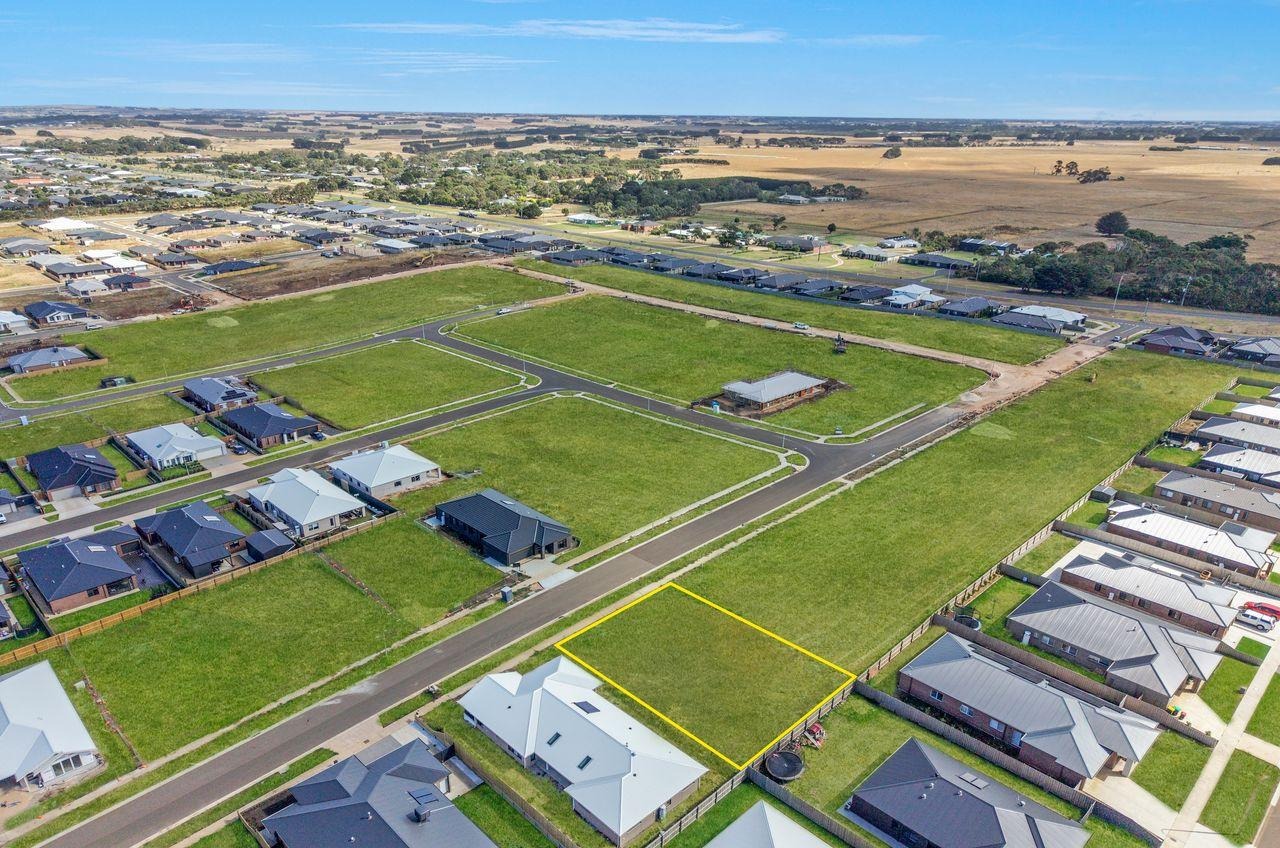
vacant residential land
-
established dwellings for redevelopment, but only where the project delivers at least 20 additional dwellings
-
an established dwelling in limited circumstances, such as to house workers participating in eligible Pacific Australia Labour Mobility and Timor-Leste employment arrangements.
From 1 April 2025 to 30 June 2029, foreign investors are generally prohibited from purchasing established dwellings in Australia, although limited exceptions apply.
These restrictions are designed to direct foreign investment towards new housing rather than increase competition for existing homes. By encouraging investment in new construction, the government aims to increase housing supply while supporting economic activity and jobs.

What’s the Foreign Investment Review Board (FIRB)?
The Foreign Investment Review Board (FIRB) is the Australian Government advisory body that reviews foreign investment applications. The FIRB advises the Treasurer on whether proposed investments should be approved under Australia’s foreign investment framework. In practice, residential property applications are administered by the ATO and lodged through Online services for foreign investors.
If you’re buying residential property, you will not deal with the FIRB directly. Your application, your fee and your approval all go through the ATO. The FIRB’s screening role applies mainly to business, agricultural and commercial proposals.
This is commonly called FIRB approval, though the formal document you receive is a no objection notification issued by the ATO.
As part of the approval process, the government assesses whether a proposed investment is consistent with Australia’s national interest. For residential property, the rules are designed to direct foreign investment towards new housing, helping to increase housing supply while limiting competition for existing homes.
How much does it cost for foreigners to apply to buy Australian property?
Foreign investors pay a non-refundable application fee when they lodge with the ATO. The fee scales with the purchase price and with the type of property. Established dwellings attract roughly triple the fee of new dwellings and vacant land.
The fees below apply to applications made between 1 July 2026 and 30 June 2027.
Fees for new or near-new dwellings and vacant residential land
|
Amount |
Fee per action |
|
Less than $75,000 |
$4,600 |
|
$1 million or less |
$15,600 |
|
$2 million or less |
$31,300 |
|
$3 million or less |
$62,600 |
|
$4 million or less |
$93,900 |
|
$5 million or less |
$125,200 |
|
$6 million or less |
$156,500 |
|
$7 million or less |
$187,800 |
|
$8 million or less |
$219,100 |
|
$9 million or less |
$250,400 |
|
$10 million or less |
$281,700 |
|
$11 million or less |
$313,000 |
|
$12 million or less |
$344,300 |
|
$13 million or less |
$375,600 |
|
$14 million or less |
$406,900 |
|
$15 million or less |
$438,200 |
|
$16 million or less |
$469,500 |
|
$17 million or less |
$500,800 |
|
$18 million or less |
$532,100 |
|
$19 million or less |
$563,400 |
|
$20 million or less |
$594,700 |
|
$21 million or less |
$626,000 |
|
$22 million or less |
$657,300 |
|
$23 million or less |
$688,600 |
|
$24 million or less |
$719,900 |
|
$25 million or less |
$751,200 |
|
$26 million or less |
$782,500 |
|
$27 million or less |
$813,800 |
|
$28 million or less |
$845,100 |
|
$29 million or less |
$876,400 |
|
$30 million or less |
$907,700 |
|
$31 million or less |
$939,000 |
|
$32 million or less |
$970,300 |
|
$33 million or less |
$1,001,600 |
|
$34 million or less |
$1,032,900 |
|
$35 million or less |
$1,064,200 |
|
$36 million or less |
$1,095,500 |
|
$37 million or less |
$1,126,800 |
|
$38 million or less |
$1,158,100 |
|
$39 million or less |
$1,189,400 |
|
$40 million or less |
$1,220,700 |
|
More than $40 million |
$1,245,500 |
Fees for established dwellings
Because foreign persons are banned from buying established dwellings until 30 June 2029, these fees now apply only to the limited exception, like redevelopment projects that significantly increase housing supply, and purchases under the Pacific Australia Labour Mobility (PALM) scheme.
|
Amount |
Fee per action |
|
Less than $75,000 |
$13,800 |
|
$1 million or less |
$46,800 |
|
$2 million or less |
$93,900 |
|
$3 million or less |
$187,800 |
|
$4 million or less |
$281,700 |
|
$5 million or less |
$375,600 |
|
$6 million or less |
$469,500 |
|
$7 million or less |
$563,400 |
|
$8 million or less |
$657,300 |
|
$9 million or less |
$751,200 |
|
$10 million or less |
$845,100 |
|
$11 million or less |
$939,000 |
|
$12 million or less |
$1,032,900 |
|
$13 million or less |
$1,126,800 |
|
$14 million or less |
$1,220,700 |
|
$15 million or less |
$1,314,600 |
|
$16 million or less |
$1,408,500 |
|
$17 million or less |
$1,502,400 |
|
$18 million or less |
$1,596,300 |
|
$19 million or less |
$1,690,200 |
|
$20 million or less |
$1,784,100 |
|
$21 million or less |
$1,878,000 |
|
$22 million or less |
$1,971,900 |
|
$23 million or less |
$2,065,800 |
|
$24 million or less |
$2,159,700 |
|
$25 million or less |
$2,253,600 |
|
$26 million or less |
$2,347,500 |
|
$27 million or less |
$2,441,400 |
|
$28 million or less |
$2,535,300 |
|
$29 million or less |
$2,629,200 |
|
$30 million or less |
$2,723,100 |
|
$31 million or less |
$2,817,000 |
|
$32 million or less |
$2,910,900 |
|
$33 million or less |
$3,004,800 |
|
$34 million or less |
$3,098,700 |
|
$35 million or less |
$3,192,600 |
|
$36 million or less |
$3,286,500 |
|
$37 million or less |
$3,380,400 |
|
$38 million or less |
$3,474,300 |
|
$39 million or less |
$3,568,200 |
|
$40 million or less |
$3,662,100 |
|
More than $40 million |
$3,736,500 |
What the application fee doesn’t cover
The FIRB application fee is only the first cost. Foreign buyers should also budget for:
- Stamp duty surcharge — an extra 7% to 9% of the purchase price in most states
- Annual vacancy fee — double your original application fee, if the property sits empty
- Surcharge land tax — an annual charge in most states
- Higher deposit and interest rate on any Australian mortgage
Can foreigners buy a home from overseas?
Yes. Foreigners can buy property in Australia while living overseas, provided they comply with Australia’s foreign investment rules and obtain approval from the FIRB, where required.
If you live overseas and don’t hold an Australian visa, you’ll generally be purchasing as a foreign investor. In most cases, this means you can’t buy an established home. Instead, you’ll typically be limited to buying a newly built property, an off-the-plan property or vacant residential land.
If you hold a temporary Australian visa valid for at least 12 months, you can apply to buy a new dwelling, an off-the-plan property or vacant residential land. You can’t buy an established home, even to live in as your principal place of residence. This is the case until 30 June 2029.

How can foreigners get a mortgage from an Australian bank or lender?
Before buying property in Australia, foreign buyers will generally need approval from the FIRB. Many lenders will require evidence of FIRB approval before your purchase can proceed.
Australian lenders offer specialist home loans for different types of foreign borrowers.
-
Non-resident home loans are designed for overseas buyers, temporary visa holders and other non-citizens purchasing property in Australia.
-
Expat home loans are for Australian citizens and permanent residents living overseas who want to buy or invest in property back home.
Because lending to foreign borrowers is considered higher risk, fewer lenders offer these loans and the eligibility criteria are often stricter. Some major banks, including Westpac, ANZ, NAB and CommBank, as well as specialist non-bank lenders, may offer home loans to eligible foreign borrowers.
Compared to Australian residents, foreign buyers will typically need a larger deposit, often between 20% and 40% of the property’s value. Many lenders also discount foreign-sourced income by around 20% to 30% when assessing borrowing capacity to account for exchange rate fluctuations. Depending on your circumstances, you may also be charged a higher interest rate.