
 Last reviewed October 2026 by Megan Birot, Content Editor, OurTop10. Figures checked against the sources named in the article.
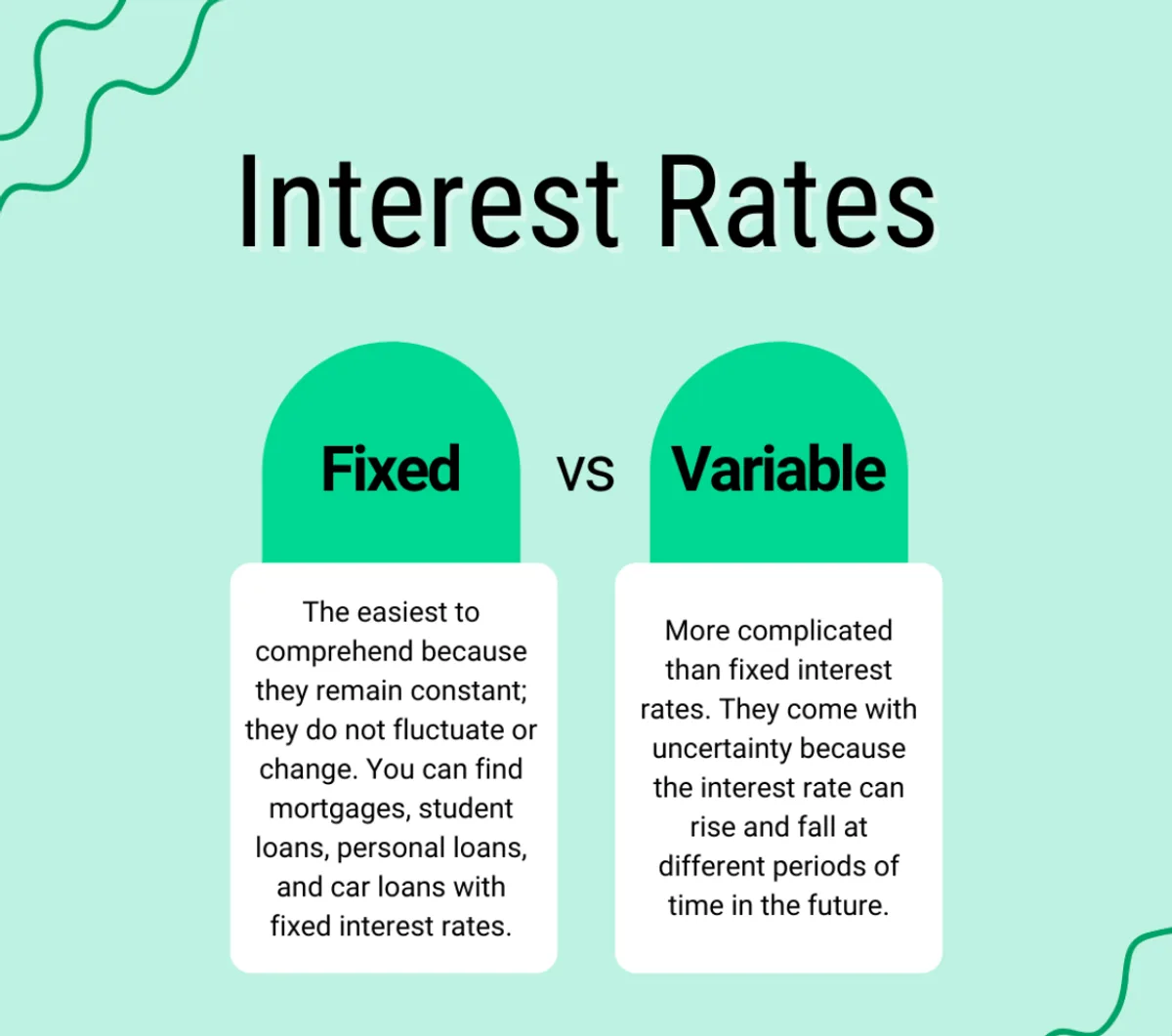
A split rate home loan is one loan divided into two parts: a portion on a fixed rate and a portion on a variable rate. You choose the proportions. The fixed part gives you a repayment that cannot move for the fixed term; the variable part keeps the offset account, the redraw and the unlimited extra repayments that fixed loans take away.
With the cash rate at 4.35% since the Reserve Bank’s August 2026 hold and the next decision due on 29 September, a split is how most brokers answer the question “should I fix?” when the honest answer is “some of it”.

How a split loan works
Take a $700,000 loan split 60/40. The lender sets up $420,000 on a two-year fixed rate and $280,000 on a variable rate. You get two loan accounts, two interest rates and two repayments, though most lenders will debit both on the same day so it feels like one.
The fixed portion behaves like any fixed loan: the rate is locked for the term, extra repayments are capped, usually at around $10,000 a year, and paying it out early attracts a break cost. At the end of the term it rolls onto the lender’s standard variable rate unless you re-fix or refinance.
The variable portion behaves like any variable loan. The rate moves with the market, you can pay as much extra as you like, an offset account can be linked to it, and you can redraw or refinance it without penalty.
You can split in almost any proportion, and some lenders allow more than two portions, for instance a one-year fix, a three-year fix and a variable part. Most people keep it to two.
Why people do it
Certainty on the part you cannot afford to lose. This is the real reason. If a 1 or 2 percentage point rise would break the budget, fixing enough of the loan to keep the repayment survivable is worth the loss of flexibility on that part. Our guide to fixed vs variable home loans goes through how to work out that figure.
An offset that still works. An offset account can only sit against the variable portion. If you expect to hold $20,000 or more in savings, splitting lets you keep that saving without going fully variable.
Room to pay extra. Bonuses, tax refunds and the odd windfall can go into the variable part without a cap or a fee.
A hedge on being wrong. If rates fall, the variable portion benefits. If they rise, the fixed portion is protected. You give up the best case in either direction in exchange for never getting the worst.
The drawbacks
Two of everything. Two accounts, two statements, sometimes two annual fees if the lender does not package them. Check the fee schedule before you sign.
Half the flexibility. The fixed portion still carries break costs and a repayment cap. If you sell or refinance inside the fixed term, you pay to leave that part.
Half the exposure. If rates rise, the variable portion still gets dearer. A split limits the damage; it does not remove it.
The revert rate. When the fixed term ends, that portion rolls onto a standard variable rate that is nearly always higher than what new customers are offered. Diary the date, because the lender will not remind you in a way that helps.

How to choose the split
Work backwards from your budget rather than forwards from a rule of thumb.
- Work out the highest monthly repayment you could carry without cutting into essentials. Use our repayment calculators at today’s rate and at 2 percentage points higher.
- Decide how much of the loan needs to be fixed for the total repayment to stay under that ceiling if variable rates rose by 2 points. That is your fixed portion.
- Put the rest on variable, and link the offset to it.
- Pick a fixed term that matches how long you are likely to keep the property and the loan. Two or three years is where most first home buyers land.
If step 2 says you would need to fix 90% or more to stay under the ceiling, the loan is too big for the budget, and that is worth knowing before settlement rather than after.

Who a split suits, and who it does not
It suits first home buyers borrowing near their ceiling, especially those using the 5% deposit scheme and carrying a 95% loan, and anyone whose income is steady but not growing. It suits borrowers who want an offset but could not sleep on a fully variable rate.
It does not suit anyone likely to sell or refinance inside the fixed term, or borrowers with large lump sums coming who want to throw them at the loan without a cap. Those people are better off fully variable.
