
With the rising cost of living making it harder to save for a deposit, lenders now recognise strong rental history as proof of financial discipline.
When you apply for a mortgage, most lenders require evidence of genuine savings, especially if your loan-to-value ratio (LVR) is over 80%. That is, if you’re borrowing more than 80% of the property’s value. Traditionally, this has meant showing at least 5% of the purchase price in savings that you’ve built up over time and held in a bank account for three months or more.
However, many Australian lenders will now count your rental payments towards your genuine savings.
How does rent qualify as genuine savings?
Most lenders that accept rent as genuine savings require at least six months of rental payments made on time.
While policies vary between lenders, you’ll generally need to provide:
A copy of your current lease agreement
A rental reference letter from your property manager confirming your payment history, or a rental ledger showing at least six months of on-time rental payments.
Your name must be listed on the lease agreement and your rent must be paid through a licensed property manager or real estate agent, so there’s a clear audit trail.
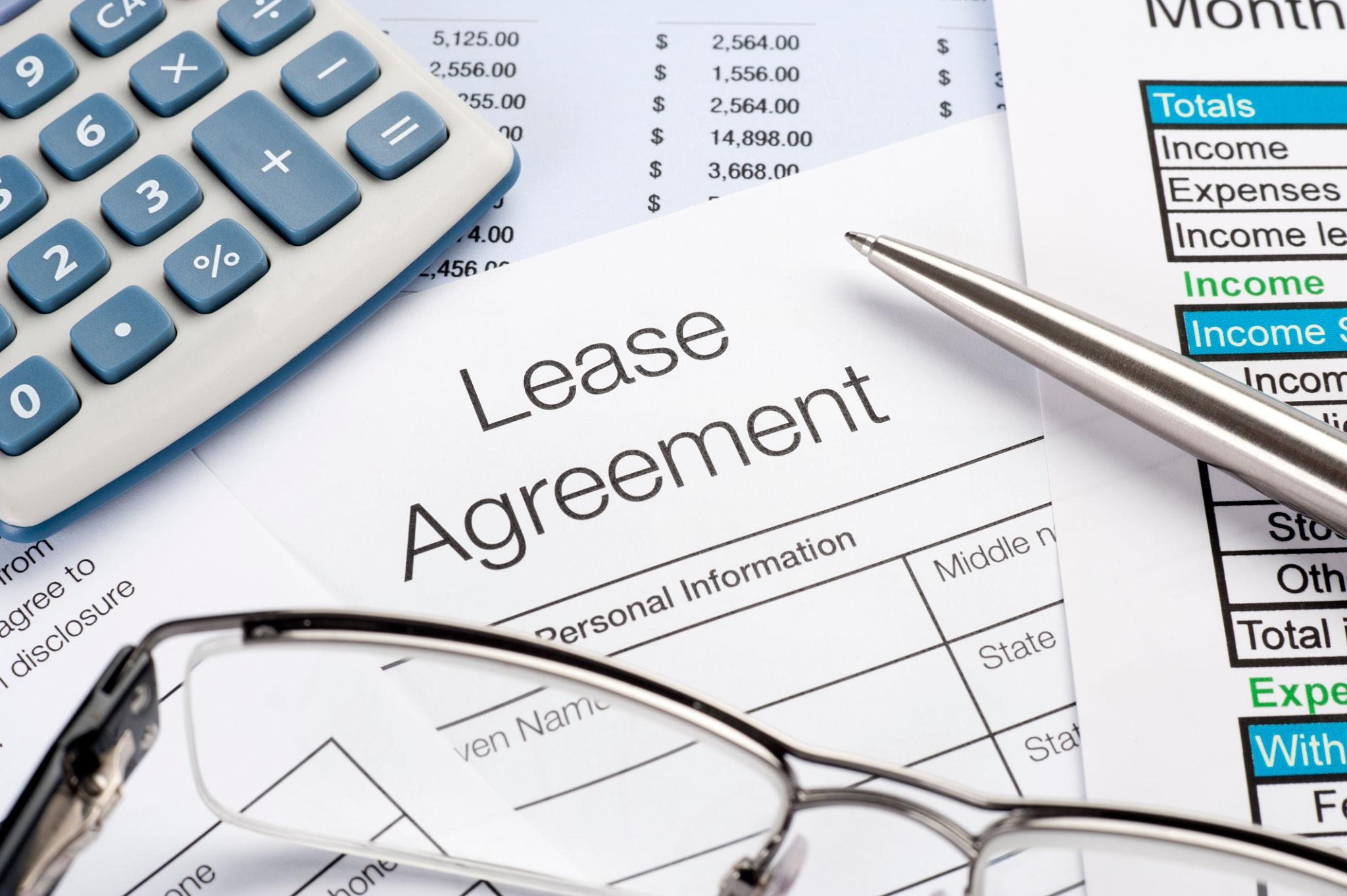
Using rent as genuine savings allows you to show your ability to make housing payments on time and in full. This is especially useful in verifying your lending eligibility in cases where it may be difficult to prove ongoing financial stability, like when your deposit relies on a cash gift or if you’re self-employed with an irregular income.
Which lenders accept rent as genuine savings?
Most major Australian lenders allow you to use your rental ledger as proof of genuine savings. This option is most commonly available to first-home buyers who have less than a 20% deposit.
Requirements of major lenders for using rent as genuine savings:
Commonwealth Bank allows rent to be used as genuine savings if you can provide a signed lease agreement, rental ledger and monthly bank statements demonstrating 12 months of consecutive rental payments.
Westpac may consider rent as genuine savings if you can demonstrate that you’ve consistently met rental payment obligations for at least six months.
NAB may consider rent as genuine savings if you can provide a clear audit trail showing at least six months of consistent rental payments.
ANZ may consider rent as genuine savings if you can provide evidence of regular rental payments, including a rental ledger and bank statements, covering a period of three to six months.
St.George may consider rent as genuine savings if you can provide evidence of rental payments over the previous six months.
While policies vary between lenders, rent is generally only accepted as genuine savings for owner-occupied home loans. In most cases, all tenants listed on the lease being used as evidence of genuine savings must also be borrowers on the loan application.
Some other major lenders, like Macquarie Bank and ING, tend not to consider rent as genuine savings, so it’s important to be aware of this before applying for a loan.

Pros & cons of using rent as genuine savings
Using rent as genuine savings can have a number of important benefits, but there are also drawbacks to consider.
Pros | Cons |
“Allows borrowers to enter the market sooner without needing to build up a large amount of traditional savings | Not considered by all banks or lenders, limiting the options borrowers can pursue |
Allows borrowers to use their rental payments as proof of financial responsibility and reduces the need to move in with family while saving for a deposit | Usually only available for properties leased through a licensed real estate agent (no private rentals) and where the prospective borrowers are the same as the people listed on the current lease being used as evidence |
Shows long-term financial stability through a history of regular housing payments | Typically requires an extensive rental history, ranging from three to 12 months, with no missed or late payments |
May strengthen a loan application where traditional genuine savings are limited | Does not eliminate the need for a deposit, which is typically between 5% and 20% of the property’s value, nor does it cover stamp duty and other upfront purchase costs |
How to prepare your loan application when using rent as genuine savings

Before applying for a home loan using rent as genuine savings, make sure your name is listed on the lease agreement and that all tenants named on the lease are also applicants on the loan.
Your rental should be managed by a licensed real estate agent or property manager. You will need to prove that you’ve met rental payment requirements in full and on time consistently for six to 12 months.
Using rent as genuine savings doesn’t exempt you from other lending requirements. You’ll still need a minimum deposit, usually 5% of the property’s value, along with sufficient income and a good credit score.
If you meet these criteria, the next step is to gather the documents needed to verify your rental history and support your home loan application.
Step-by-step:
Contact a good mortgage broker to help guide you through the process and identify the best lenders for rent as genuine savings scenarios
Gather your lease agreement and any other relevant rental documentation
Request a rental ledger from your property manager or real estate agent showing your rental payment history
Download bank statements demonstrating all rental payments for the required period

What documents do you need to prove rent as genuine savings?
Generally, in order to prove rent as genuine savings, you’ll need to provide:
A signed lease or rental agreement, where leaseholders match the borrowers applying for a loan
A rental ledger, provided by a licensed real estate company or property manager, showing all rental transactions over the required period
Bank statements demonstrating all rental transactions over the required period
In some cases, a rental reference from your current property manager, verifying your payment reliability and consistency.
Tips to maximise your rental history
There are steps you can take to improve your rental history and more effectively demonstrate consistency to your lender when using rent as genuine savings.
Ahead of time, ensure that all borrowers are clearly and legally listed on the official lease agreement.
Over the six to 12 months leading up to your home loan application, be extra mindful of rental payments, and ensure that all payments are made on time and in full, with no late or missed transactions.

Request your tenant ledger ahead of time, and review it carefully to check that it accurately demonstrates your consistent payment history, and that details align with the rental transactions presented by your bank statements.
Tenants can request a copy of their rental ledger from their landlord or property manager at any time. Once requested, the ledger must generally be provided within seven days under the relevant state or territory tenancy laws.
If possible, request a formal letter of recommendation from your current leasing agent.

Widely respected across the industry, Mary has built a reputation for delivering strategic finance solutions and exceptional client outcomes. Her expertise spans residential, commercial, and asset finance, where she is known for her deep industry knowledge and client-first approach.
Mary’s excellence has been recognised nationally through multiple industry accolades, including being named Asset Finance Broker of the Year at the Australian Broking Awards. She is also a regular contributor and trusted voice on industry panels, where she shares insights on lending trends, finance strategy, and the evolving mortgage broking landscape.
Driven by a genuine passion for helping clients succeed, Mary continues to lead Natloans with a strong commitment to professionalism, innovation, and long-term client relationships.

Free download
The First Home Buyer’s Complete Guide
40 pages covering every step from checking your credit file to collecting the keys. Tell us where to send it.